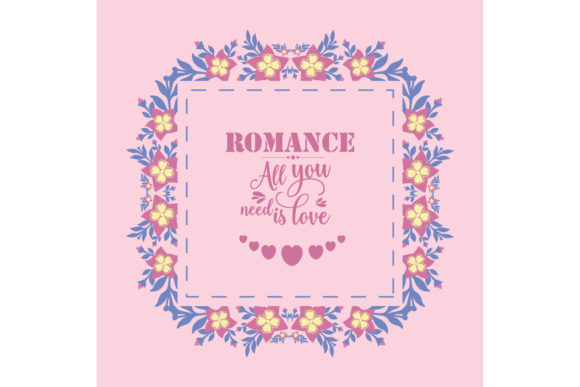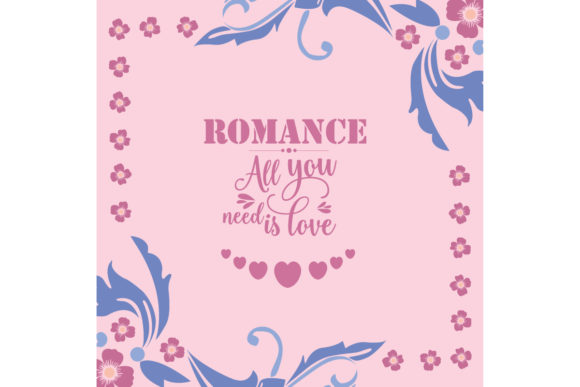
Antique Romance Greeting Card Design: Integrating Floral Frames and Vector Art
In the digital age of instant messaging and ephemeral communication, the tangible gesture of sending a physical card retains a profound emotional resonance. For designers, stationers, and individuals seeking to convey deep sentiment, Antique Romance Greeting Card Design offers a timeless aesthetic that bridges historical elegance with modern production standards. This specific style, characterized by decorative leaf and floral frames rendered as vector illustrations, serves not merely as decoration but as a visual language of nostalgia, care, and sophistication. Understanding the nuances of this design approach is essential for creators aiming to produce work that feels both authentic and professionally polished.
The Anatomy of Vintage Botanical Aesthetics
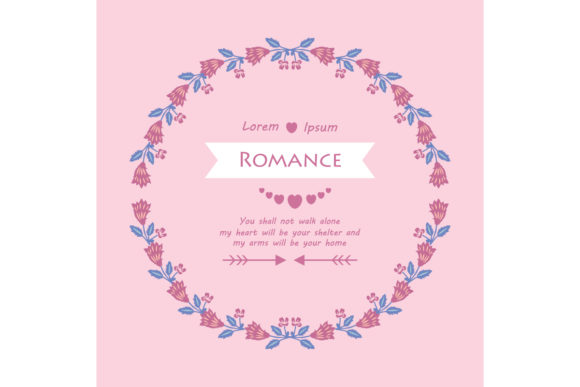
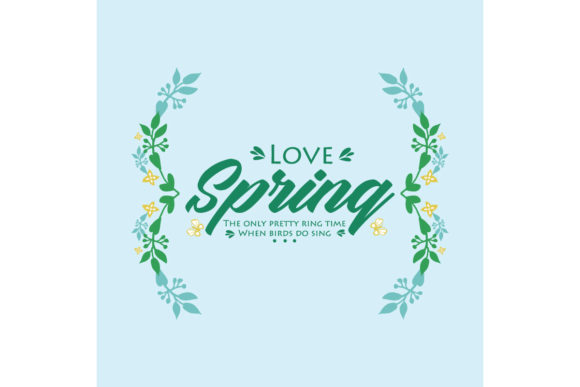
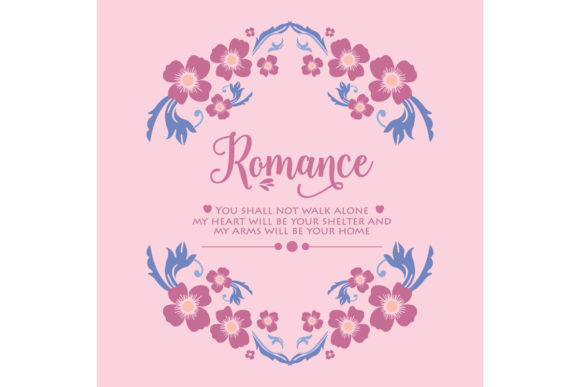
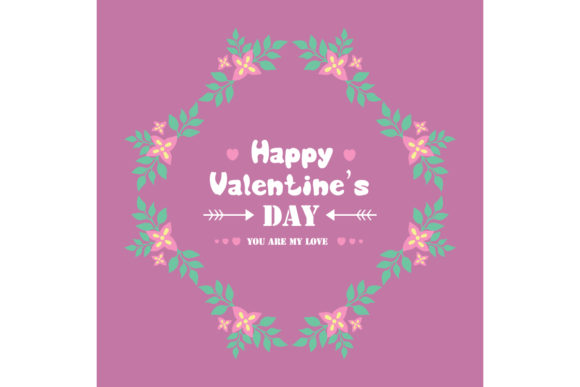
To effectively utilize antique romance styles, one must first understand the constituent elements that define the genre. Unlike contemporary minimalist design, this aesthetic relies on complexity and organic flow. The core component is often the decorative frame. In traditional antique romance greeting card design, these frames are rarely perfect geometric shapes. Instead, they mimic the natural growth patterns of vines, roses, peonies, and ferns.
The transition from raster imagery to vector illustration has revolutionized how these designs are created and consumed. Historically, achieving this look required scanning old lithographs or engravings, which often resulted in pixelation when resized. Modern vector-based antique patterns allow for infinite scalability without loss of detail. This means a delicate leaf motif designed for a small thank-you note can be seamlessly adapted for a large wedding invitation or wall art print while maintaining crisp, clean edges. The vector format also permits easy color manipulation, allowing designers to shift a palette from sepia-toned Victorian browns to soft, romantic pastels without redrawing the entire composition.
Key Characteristics of the Style
- Organic Asymmetry: While the overall composition may be balanced, individual leaves and petals should exhibit natural imperfections to avoid a sterile, manufactured appearance.
- Muted Color Palettes: Authentic antique romance relies on desaturated tones. Dusty rose, sage green, cream, and faded gold evoke the passage of time better than neon or primary colors.
- Negative Space Management: The floral frame must embrace the text area without overwhelming it. Effective design ensures the central space remains legible and uncluttered.
- Textural Overlays: Even in vector form, adding subtle grain or paper texture overlays can prevent the illustration from looking too flat or digital.
Practical Applications Across Personal and Professional Spheres
The versatility of Antique Romance Greeting Card Design extends far beyond Valentine’s Day. Its inherent association with tradition and sincerity makes it suitable for a wide array of scenarios where tone is paramount.
Wedding and Event Stationery
For couples planning weddings with vintage, bohemian, or garden themes, this design style provides immediate contextual cues. A save-the-date featuring an intricate vector floral frame signals a celebration rooted in classic romance. Because vectors are editable, designers can create a cohesive suite where the same leaf pattern appears on menus, place cards, and signage, ensuring brand consistency throughout the event.
Commercial Product Packaging
Small business owners, particularly those in the artisanal beauty, jewelry, or confectionery sectors, frequently leverage this aesthetic. A soap wrapper or jewelry box adorned with a decorative romance pattern suggests craftsmanship and luxury. Here, the vector nature of the art is critical; packaging requires high-resolution print files, and scalable vectors ensure the design looks sharp whether printed on a 2-inch tag or a full-size shipping box.
Personal Correspondence and Milestones
For general consumers, selecting or creating a card with this specific design language adds weight to personal messages. Anniversaries, condolences, and expressions of gratitude benefit from the softened, respectful tone that antique florals provide. The visual warmth of a hand-drawn style frame (even if digitally created) implies that the sender took extra time to choose something beautiful, enhancing the perceived value of the message inside.
Evaluating Suitability: When to Choose Antique Romance
While aesthetically pleasing, Antique Romance Greeting Card Design is not universally appropriate. Creators and buyers must evaluate whether the style aligns with the intended message and audience. Consider the following factors before committing to this aesthetic:
- Audience Demographics: Older generations often have a stronger positive association with traditional floral motifs. Younger audiences may appreciate the "cottagecore" or "dark academia" revival of these styles, but overly ornate designs might feel dated if not executed with modern sensibilities.
- Message Tone: This style excels at conveying warmth, history, love, and respect. It is less effective for corporate announcements, tech product launches, or humorous content. The visual gravity of an antique frame can clash with lighthearted or strictly business messaging.
- Production Method: If printing at home, intricate vector details require high-quality inkjet printers and matte paper to replicate the antique feel. Glossy paper can make vintage designs look cheap or artificial. Professional offset or letterpress printing yields superior results for complex floral frames.
Technical Considerations for Vector Implementation
For professionals and creators working directly with these assets, technical proficiency ensures the final product meets expectations. Working with Antique Romance Greeting Card Design in vector format requires attention to specific workflow details.
Layer Organization: Complex floral frames can contain hundreds of anchor points. Organizing layers logically (e.g., separating background foliage, foreground blooms, and accent details) is vital for efficient editing. This structure allows for quick adjustments to density or color balance without navigating a chaotic file.
Stroke vs. Fill: Decide early whether the design will rely on outlined strokes (mimicking engraving) or solid fills (mimicking watercolor or block print). Mixing these styles can add depth, but doing so inconsistently can create visual dissonance. Engraving-style vectors often work best for formal invitations, while fill-based vectors suit casual greeting cards.
File Compatibility: Ensure deliverables are available in industry-standard formats like AI, EPS, and SVG. For clients who lack professional software, providing high-resolution PNGs with transparent backgrounds ensures they can still utilize the decorative elements in tools like Canva or Word without compromising quality.
Strengths and Limitations of the Genre
A balanced understanding of this design category helps manage expectations. Recognizing both the power and the constraints of antique floral vectors leads to better creative decisions.
Enduring Strengths
The primary strength of Antique Romance Greeting Card Design is its emotional safety. These patterns are culturally coded as polite, beautiful, and non-controversial. They carry a sense of established tradition that lends credibility and warmth to any communication. Furthermore, the vector format future-proofs the asset; unlike trend-driven photography, a well-crafted botanical frame remains relevant for decades, offering excellent return on investment for businesses building a long-term visual identity.
Potential Limitations
Conversely, the ubiquity of stock vector florals presents a challenge. Generic antique frames can make a card look indistinguishable from thousands of others. To combat this, customization is key. Modifying standard vectors—changing colors, rearranging elements, or combining multiple assets—creates uniqueness. Additionally, highly detailed vectors can result in large file sizes that may slow down web loading times if used digitally; optimization is necessary for online applications.
Guidance for Selecting the Right Asset
Whether purchasing stock vectors or commissioning custom work, use this checklist to ensure the design serves its purpose:
- Versatility: Does the frame work in both landscape and portrait orientations? Can elements be isolated?
- Cohesion: Do all botanical elements belong to the same ecological or stylistic family? Mixing realistic roses with cartoonish daisies breaks the antique illusion.
- Licensing: For commercial users, verify that the license covers physical products, digital templates, and potential resale. Antique-style vectors often have specific restrictions regarding standalone resale.
- Resolution Independence: Always test the vector at the largest intended size. Zoom in to 400% to check for stray anchor points or overlapping paths that could cause printing errors.
Final Thoughts on Timeless Design
Antique Romance Greeting Card Design represents more than a fleeting trend; it is a continuation of a centuries-old tradition of expressing affection through botanical symbolism. By leveraging modern vector illustration techniques, creators can honor this history while meeting contemporary demands for flexibility and quality. Whether used for a heartfelt personal note or a sophisticated commercial brand, the careful application of decorative leaf and floral frames communicates a level of thoughtfulness that plain text simply cannot achieve. Success lies in respecting the origins of the style while adapting its execution to fit the precise needs of the modern medium, ensuring that every card sent carries the true weight of its intended sentiment.