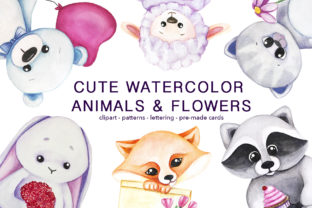
Cute Animals Flowers: A Strategic Asset for Creative Product Development
In the competitive landscape of digital design and physical product creation, the distinction between amateur and professional output often lies in the quality and cohesion of visual assets. Cute Animals Flowers is not merely a collection of decorative illustrations; it is a comprehensive design system engineered to streamline production workflows while maintaining high aesthetic standards. For entrepreneurs, educators, and creative professionals, understanding this collection as a strategic tool rather than just a set of pretty pictures is essential for maximizing return on investment and ensuring brand consistency across multiple touchpoints.
This watercolor collection bridges the gap between organic artistry and commercial utility. By providing transparent PNGs, layered PSD files, and seamless patterns in a single package, it addresses the most common friction points in creative operations: asset compatibility, licensing clarity, and stylistic fragmentation. When integrated intentionally into your planning process, these elements support faster decision-making and more polished final deliverables, whether you are designing children’s textiles, crafting wedding invitations, or developing educational materials.
Evaluating the Collection Through an Operational Lens
Before incorporating any asset library into your workflow, it is necessary to audit its components against your specific operational needs. The value of Cute Animals Flowers stems from its versatility, but versatility requires management. Understanding exactly what is included allows you to map assets to current projects and identify gaps in your existing resource library.
- 6 Watercolor Cute Characters (PNG): These serve as primary focal points. In product design, characters create emotional anchors. Use them for packaging fronts, book covers, or hero images on landing pages where immediate engagement is required.
- 64 Floral Elements (PNG): Individual flowers, leaves, and hearts act as modular building blocks. Unlike pre-composed arrangements, these allow for custom scaling and placement, essential for adapting designs to non-standard print sizes or responsive web layouts.
- 5 Pre-made Cards (PSD): These are strategic time-savers for proof-of-concept testing or rapid client presentations. The layered PSD format allows you to reverse-engineer composition techniques and swap elements without starting from zero.
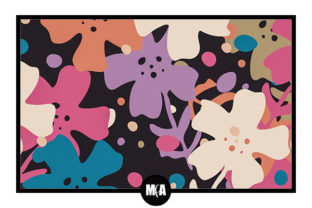
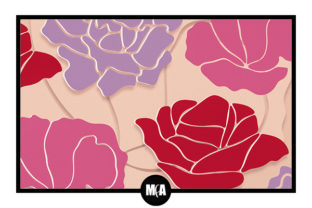
- 12 Seamless Patterns (PNG): Critical for textile design, wrapping paper, and background textures. Seamless tiling eliminates visible repetition errors, reducing the quality control burden during print production.
- 15 Floral Bouquets (PNG): Best utilized as secondary visual hierarchy elements. They provide volume and balance to compositions without requiring manual arrangement, speeding up the layout phase.
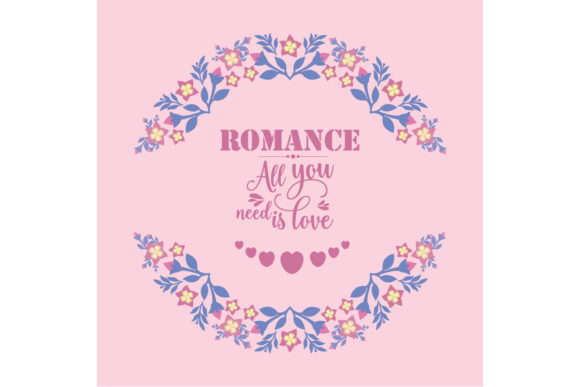
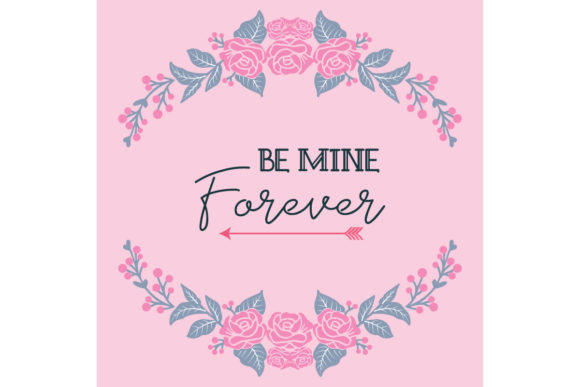
- 8 Floral Frames and Wreaths (PNG): Functional containers for typography or photography. These solve the common design challenge of integrating text with organic imagery while maintaining readability.
- 18 Hand-drawn Lettering Phrases (EPS/PNG): Typography often clashes with watercolor styles. Having pre-matched lettering ensures stylistic harmony and saves hours of font hunting or custom hand-lettering.
Strategic Applications Across Business Verticals
The decision to utilize Cute Animals Flowers should be driven by specific business objectives. Different sectors leverage these assets to solve distinct problems. Recognizing where this collection fits within your industry vertical prevents misuse and enhances strategic alignment.
Product Design and Merchandising
For small business owners and POD (Print on Demand) sellers, speed to market is a key performance indicator. The seamless patterns and character assets enable rapid prototyping of new SKUs. Instead of commissioning custom art for every seasonal release, you can remix these core elements to create cohesive product lines. The transparent backgrounds are particularly valuable here, allowing for easy placement on colored merchandise or complex mockups without tedious masking work. This reduces pre-production time and allows for more frequent market testing.
Education and Child Development Resources
Educators and publishers creating learning materials face the challenge of balancing engagement with clarity. The "cute" aesthetic of these animals serves a functional purpose: it lowers cognitive load and creates a welcoming environment for young learners. However, strategic use involves restraint. Use the characters as navigational cues or reward markers rather than overwhelming decoration. The floral frames can organize worksheet content effectively, guiding the student’s eye through the material logically. The EPS lettering ensures that instructional text remains legible and age-appropriate.
Event Planning and Stationery
For stationers and event professionals, customization is the product. Clients expect unique designs, but bespoke illustration is cost-prohibitive for many budgets. This collection acts as a premium base layer. The pre-made cards provide structure, while the individual floral elements allow for personalized color grading and rearrangement to match specific wedding palettes or party themes. The hand-drawn phrases add a tactile, human element that digital fonts often lack, increasing the perceived value of the invitation suite without inflating production costs.
Mitigating Risks Through Intentional Curation
A significant risk in using popular asset packs is visual homogeneity. If multiple creators use Cute Animals Flowers without modification, brands may begin to look identical. To avoid this, treat the collection as raw material rather than a finished solution. Strategic differentiation comes from how you combine, color-grade, and contextualize these elements.
Consider establishing internal guidelines for asset usage. Define which characters represent your brand voice and which remain unused. Create proprietary color overlays or texture blends that sit atop the watercolors to imprint your unique visual identity. For example, applying a subtle grain filter or adjusting the saturation curves can make standard assets feel bespoke to your specific project. This intentional curation protects your brand equity while still benefiting from the efficiency of pre-made resources.
Furthermore, be mindful of audience alignment. While the style is versatile, it is inherently youthful and soft. Using these assets for corporate financial reports or luxury tech branding may create cognitive dissonance. Always validate that the emotional tone of the watercolors supports, rather than undermines, your communication goals. If your objective is authority or minimalism, this collection may require heavy abstraction or may not be suitable at all.
Optimizing Workflow and Technical Integration
Efficiency is lost when assets are disorganized. Before beginning a project, establish a file management protocol for Cute Animals Flowers. Because the collection includes both raster (PNG) and vector (EPS) formats, understanding when to use each is vital for technical quality.
- Vector vs. Raster Decision Making: Use the EPS lettering and elements whenever possible for print work to ensure crisp edges at any scale. Reserve PNGs for web use, digital products, or when specific watercolor textures must be preserved. Scaling up a low-resolution PNG for a large-format poster will result in pixelation and unprofessional output.
- Layer Management in PSD: When working with the pre-made cards, duplicate layers before editing. Maintain a master file that remains untouched. This preserves the integrity of the original asset for future reference and prevents accidental data loss during experimentation.
- Pattern Testing: Always test seamless patterns at actual print size before finalizing. Screen resolution can hide tiling errors that become obvious on fabric or paper. Print a small swatch to verify color accuracy and pattern continuity.
- Metadata and Licensing Compliance: Even with royalty-free assets, maintaining records of usage rights is a best practice for commercial entities. Keep the license agreement accessible. If you modify the assets significantly, document the changes to establish derivative work ownership where applicable.
Long-Term Value and Asset Lifecycle Management
Sustainable creative operations require viewing assets through a lifecycle lens. Cute Animals Flowers offers longevity because watercolor and nature motifs are evergreen trends, unlike fleeting graphic fads. However, to maximize long-term ROI, rotate how these assets are deployed. Seasonal recontextualization extends their utility; the same floral bouquet can signify spring renewal in March or autumn harvest in September simply by changing background colors and accompanying typography.
Track the performance of designs utilizing this collection. Do products featuring the animal characters outsell those with only florals? Do clients respond better to hand-drawn lettering or clean sans-serif type paired with the art? Gathering this data transforms subjective design preferences into objective business intelligence. Over time, you will develop a predictive understanding of which elements drive engagement, allowing for smarter inventory planning and marketing focus.
Ultimately, the strategic advantage of this collection lies in its ability to democratize high-quality illustration while demanding professional execution. It removes the barrier of entry for beautiful design but rewards those who apply thoughtful planning, technical precision, and brand awareness. By approaching Cute Animals Flowers as a component of a larger business strategy rather than a standalone purchase, creators and entrepreneurs can build more resilient, efficient, and visually compelling product ecosystems.