Evaluating Template Decor for Romance Greeting Cards
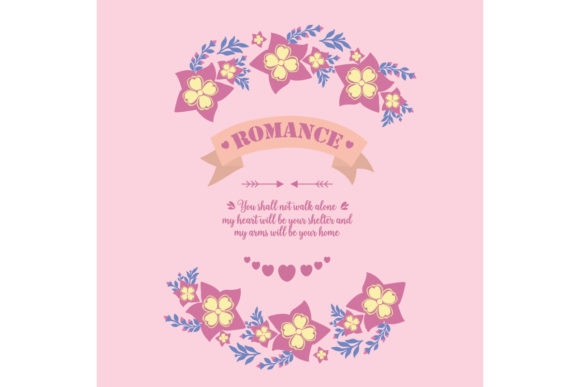
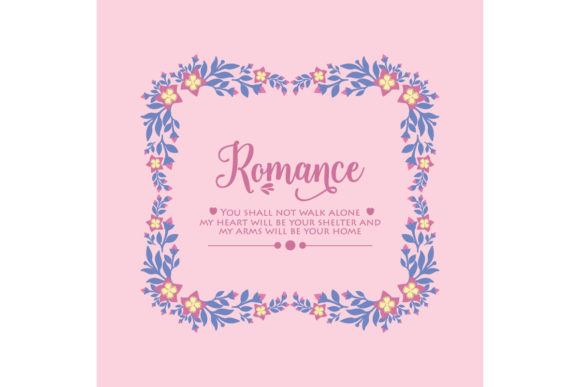
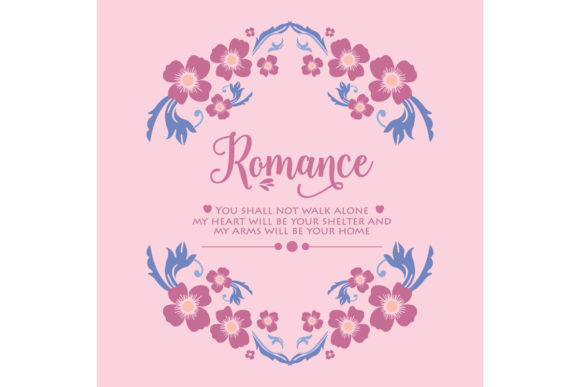
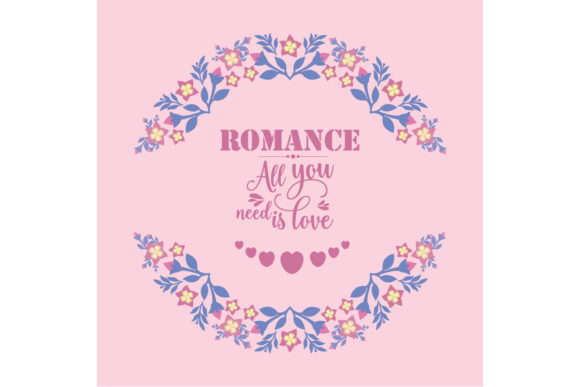
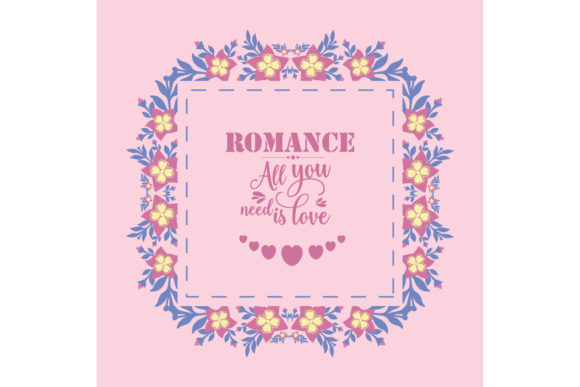
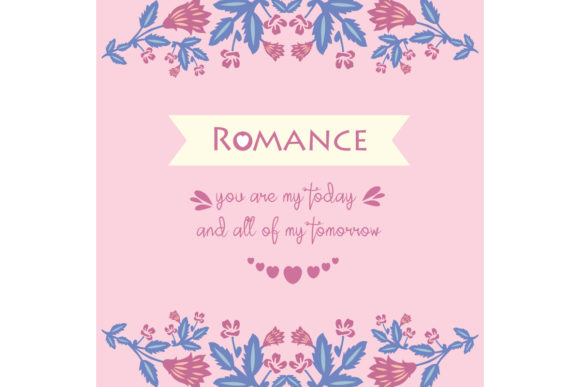
Selecting the right visual foundation for romantic correspondence requires balancing aesthetic appeal with functional versatility. When researching design assets, the Template Decor for Romance Greeting Card featuring elegant leaf and floral frame designs represents a specific category of vector illustration tailored for emotional communication. This resource is not merely a decorative overlay; it is a structural design element intended to guide layout, establish tone, and provide a professional finish to printed or digital cards. Understanding the technical and artistic nuances of this template type is essential for designers, stationery businesses, and individuals seeking to create meaningful, high-quality romance cards without commissioning bespoke artwork from scratch.
Defining the Asset: Vector Floral Frames
The Template Decor for Romance Greeting Card is typically delivered as a scalable vector graphic (SVG, AI, or EPS). Unlike raster images composed of pixels, vector illustrations utilize mathematical paths to define shapes. This distinction is critical when evaluating suitability for print. A floral frame designed in vector format retains crisp edges and smooth curves regardless of whether it is scaled down for a standard 5x7 inch card or enlarged for poster-sized wall art. The "elegant leaf and floral" descriptor usually implies a specific stylistic approach: organic lines, balanced negative space, and a color palette that supports rather than competes with typography.
In practical terms, this template serves as a container for content. The frame creates a visual boundary that focuses the reader's attention on the central message area. For romance cards specifically, the botanical motifs carry inherent symbolic weight. Leaves often represent growth and endurance, while flowers can signify passion, delicacy, or celebration. Evaluating a template involves assessing whether these symbolic associations align with the specific romantic sentiment being conveyed, be it an anniversary, wedding invitation, or Valentine’s Day greeting.
Primary Reasons for Selection
Professionals and hobbyists gravitate toward this specific template decor for several objective reasons centered on efficiency and consistency. The primary driver is often the reduction of production time. Creating a botanically accurate and aesthetically balanced floral frame from scratch requires significant illustration skills and hours of labor. Utilizing a pre-made vector template allows creators to bypass the initial drafting phase and move directly to customization and typesetting.
Another significant factor is design coherence. In collections of romance cards, maintaining a unified visual language is necessary for brand recognition or thematic consistency. A well-constructed Template Decor for Romance Greeting Card provides a repeatable structure. Designers can alter colors, adjust opacity, or swap background textures while retaining the core architectural integrity of the frame. This modularity ensures that a series of cards feels related without appearing identical, solving a common challenge in seasonal product line development.
Benefits and Practical Advantages
- Scalability for Multiple Formats: Vector files allow the same design asset to be used across business cards, greeting cards, social media graphics, and large-format prints without loss of quality or need for redrawing.
- Editability: Individual elements within the vector file (leaves, petals, stems) can usually be isolated. This permits color grading to match specific brand palettes or wedding themes without affecting the entire composition.
- Print Readiness: Professional templates are generally constructed with CMYK color profiles and proper bleed margins, reducing the risk of printing errors compared to web-sourced raster images.
- Typography Integration: Elegant frames are designed with negative space specifically reserved for text, ensuring that ornate details do not obscure legibility when messages are added.
Tradeoffs and Considerations
While the benefits are substantial, relying on template decor introduces specific tradeoffs that must be weighed during the evaluation process. The most prominent concern is exclusivity. Because these templates are often sold under non-exclusive licenses, other users may have access to the identical floral frame. For mass-market greeting cards, this is rarely an issue. However, for luxury bespoke stationery or highly personalized romantic gestures, the potential for visual duplication may detract from the perceived uniqueness of the piece.
Technical proficiency is another consideration. Although marketed as templates, vector files require compatible software such as Adobe Illustrator, Affinity Designer, or CorelDRAW. Users lacking experience with node editing, layer management, or color separation may find the customization process challenging. Furthermore, not all templates are created equal; some may have disorganized layer structures or expanded strokes that make modification difficult. Evaluating the file structure before purchase or download is a necessary step to ensure the asset is truly user-friendly.
There is also the risk of stylistic mismatch. "Elegant" is subjective. A template featuring bold, tropical foliage may be technically excellent but tonally inappropriate for a soft, vintage-inspired romance card. Careful scrutiny of the line weight, curvature, and overall density of the floral frame is required to ensure it complements rather than overwhelms the intended message.
Situational Fit: When This Template Succeeds
The Template Decor for Romance Greeting Card is a strong fit in scenarios where professional aesthetics must be achieved within constrained timelines or budgets. Small stationery businesses expanding their holiday inventory benefit significantly, as the template allows for rapid prototyping and iteration. Similarly, DIY brides creating their own wedding suites find value in vector frames that offer bridal elegance at a fraction of custom design costs.
This asset class also excels in digital-first contexts. For e-cards or social media announcements, the clean lines of vector florals render beautifully on screens. The ability to easily export transparent PNGs or optimized SVGs makes these templates versatile for multi-channel romantic campaigns. Additionally, POD (Print on Demand) sellers often utilize these templates as base layers, adding unique typographic treatments or watercolor washes to differentiate their products while leveraging the solid structural foundation of the vector frame.
When to Consider Alternatives
Despite its utility, this template type is not universally applicable. If the goal is absolute originality or trademarkable branding, commissioning a custom illustrator is the superior path. Templates cannot be trademarked, limiting legal protection for businesses building a long-term identity around a specific visual motif. Furthermore, if the romantic sentiment requires hyper-specific imagery—such as a portrait of a couple or a depiction of a meaningful location—generic floral frames will lack the necessary personal resonance.
Alternatives should also be considered if the user lacks vector editing capabilities and has no intention of learning. While some templates come in PSD format, true vector flexibility is lost in raster environments. In such cases, purchasing finished, high-resolution raster art or using drag-and-drop design platforms with built-in libraries may yield better results with less friction. Finally, for ultra-minimalist modern romance aesthetics, ornate floral frames may feel dated; simple geometric borders or typographic-led designs might better serve contemporary tastes.
Decision-Making Framework
To determine if a Template Decor for Romance Greeting Card aligns with current objectives, evaluate the project against three criteria: scalability needs, customization capacity, and uniqueness requirements. If the project demands high-resolution output across various sizes and the user possesses intermediate vector skills, this template category offers an optimal balance of quality and efficiency. Review licensing terms meticulously to confirm commercial usage rights and attribution requirements. Inspect sample files for layer organization and editability before committing. Ultimately, the decision should hinge on whether the template serves as a flexible foundation for creativity or merely a generic placeholder. When selected with discernment, elegant leaf and floral vector frames provide a timeless, adaptable solution for conveying romantic sentiments with professional polish.