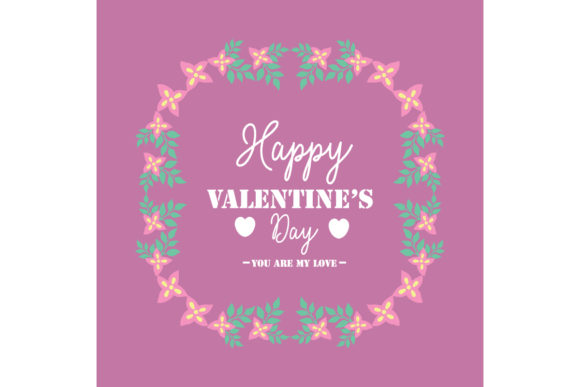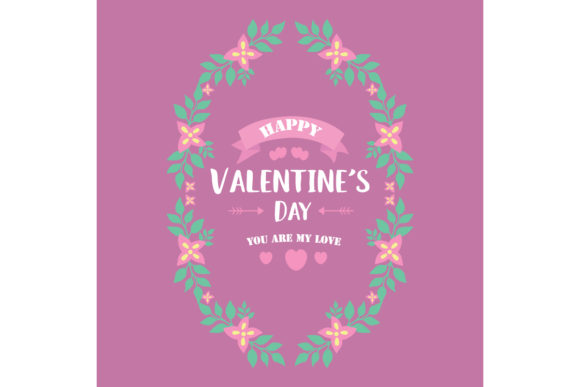
Evaluating the Unique Decor Happy Valentine Card
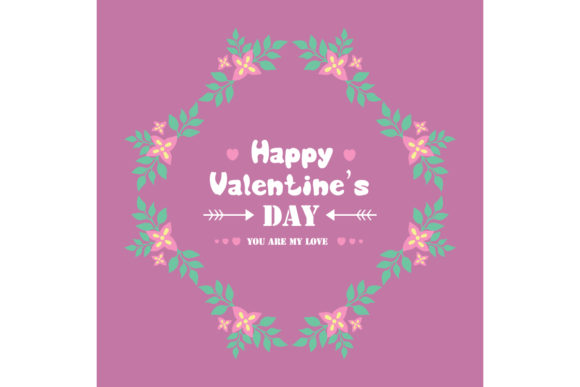
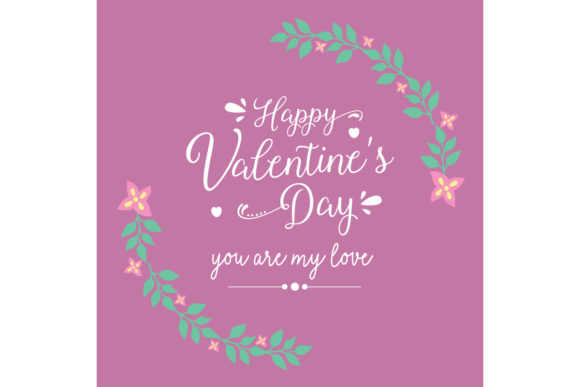
Selecting the appropriate visual assets for Valentine’s Day requires balancing aesthetic appeal with functional versatility. The Unique Decor Happy Valentine Card, characterized by its vector-based leaf and floral frame, represents a specific category of digital design resources intended for both personal messaging and event coordination. Unlike raster-based images or pre-printed stationery, this format offers distinct advantages for users who require customization and scalability. Understanding the technical and practical attributes of this design style is essential for determining whether it aligns with specific project requirements, whether for a personal greeting or a formal invitation.
Defining the Vector Floral Aesthetic
The core value proposition of the Unique Decor Happy Valentine Card lies in its construction as a vector illustration. In digital design, vector graphics are composed of mathematical paths rather than fixed pixels. This distinction is critical when evaluating decorative frames featuring intricate botanical elements. A leaf and floral frame rendered in vector format maintains crisp edges and smooth curves regardless of the output size. For a Valentine’s card or invitation, this means the organic details of petals, stems, and foliage remain sharp whether printed on a standard 5x7 inch card or scaled up for large-format signage at an event venue.
Beyond technical specifications, the "unique decor" aspect typically refers to a departure from generic clip art. These designs often utilize sophisticated color palettes, layered depth, and stylized botanical accuracy that mimics hand-drawn watercolor or ink illustrations while retaining the editability of digital vectors. This hybrid aesthetic appeals to users seeking a balance between traditional romantic sentiment and modern design cleanliness.
Primary Use Cases and Applications
Evaluation of this asset should begin with a clear definition of intent. The Unique Decor Happy Valentine Card serves two primary functions, each with different performance criteria:
- Personal Greeting Cards: When used for individual messages, the floral frame acts as a border that contains negative space for personalized text. The vector nature allows users to adjust the frame's proportions to fit varying message lengths without distorting the artwork.
- Event Invitations: As a unique decorative element for happy valentine invitation cards, the design must accommodate logistical information such as dates, times, and RSVP details. The structured nature of a floral frame provides a natural hierarchy, guiding the reader’s eye from the header to the essential event data.
For designers and DIY enthusiasts, the asset also functions as a modular component. Individual leaves or flowers can often be extracted from the main frame to create matching social media graphics, table place cards, or envelope liners, ensuring visual consistency across a broader campaign or personal suite.
Benefits of Vector-Based Botanical Frames
Choosing a vector illustration over alternative formats offers several tangible benefits for Valentine’s Day projects. Scalability is the most obvious advantage, but color adaptability is equally important for evaluation. Because vector files store color information as editable values, users can modify the hue of the leaves and flowers to match specific wedding themes, brand guidelines, or personal preferences. A green and red frame can be adjusted to blush pink and sage, or deep burgundy and gold, without degrading image quality.
Furthermore, vector files typically have smaller file sizes compared to high-resolution raster images. This facilitates easier sharing via email or cloud storage and ensures faster loading times if the invitation is distributed digitally. For print production, vectors eliminate the risk of pixelation, ensuring that the final physical product reflects professional standards even when printed on home equipment.
Tradeoffs and Technical Considerations
Despite these advantages, there are tradeoffs to consider when selecting the Unique Decor Happy Valentine Card. The primary barrier is software compatibility. Editing true vector files requires specialized software such as Adobe Illustrator, Affinity Designer, or CorelDRAW. Users relying solely on basic photo editors or word processing software may find they cannot fully utilize the editable features of the file. While some platforms offer SVG support, functionality varies significantly.
Additionally, vector botanical illustrations can sometimes appear too clean or synthetic compared to scanned watercolor textures. If the goal is a rustic, textured, or vintage aesthetic, a pure vector frame may feel overly polished. Users should evaluate sample previews closely to ensure the line weight and shading style align with their desired emotional tone. Finally, licensing terms vary; users must verify whether the asset permits commercial use for selling printed cards or is restricted to personal projects only.
Situational Fit: When to Choose This Asset
This specific type of decorative card is a strong fit for users who prioritize flexibility and longevity. It is particularly suitable for:
- Recurring Events: Annual Valentine’s galas or recurring date nights benefit from a timeless vector frame that can be recolored and reused year after year without looking dated.
- Multi-Format Campaigns: Projects requiring assets for both print (invitations) and screen (social media, e-cards) benefit from the resolution independence of vectors.
- Custom Typography Integration: Users who wish to pair the frame with specific fonts need the editable layers that vector files provide, allowing text to weave behind or in front of floral elements seamlessly.
When to Consider Alternatives
Conversely, alternatives may be worth considering in specific scenarios. If the user lacks vector editing capabilities and has no intention of learning, a high-resolution PNG or PSD template with smart objects may offer a more accessible workflow. For those seeking hyper-realistic photography or authentic paint textures, raster-based assets or stock photography will yield better results than vector art.
Additionally, if the timeline is extremely tight and customization is not required, pre-designed templates on platforms like Canva or Etsy may provide a faster path to completion. These alternatives sacrifice some degree of uniqueness and technical control but significantly reduce the production time and skill threshold.
Decision-Making Framework
To determine if the Unique Decor Happy Valentine Card is the correct choice, evaluate the project against three criteria: technical capacity, aesthetic alignment, and usage scope. Verify access to compatible vector editing software before purchase or download. Assess whether the clean lines of vector botany complement the intended typography and overall mood. Finally, confirm that the licensing and format support all intended outputs, from small personal notes to large decorative displays. By systematically reviewing these factors, users can select a resource that not only meets immediate Valentine’s Day needs but also serves as a versatile asset for future creative endeavors.