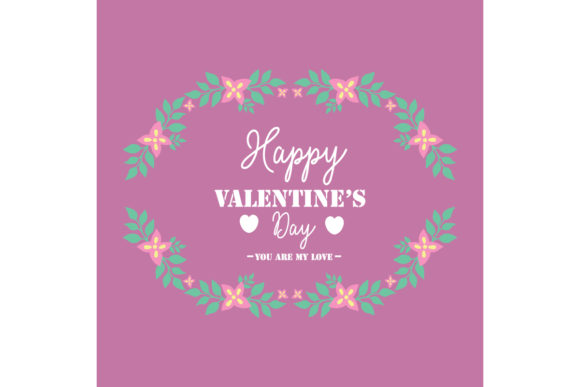
Modern Valentine Card: Elegant Floral Vector Design
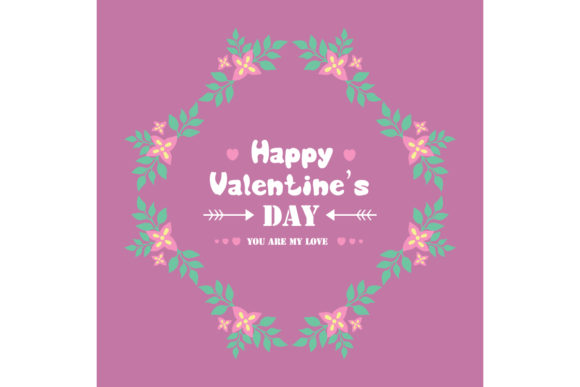
Sending a message of affection has evolved significantly in the digital age, yet the desire for visual elegance remains constant. A Happy Valentine Modern Greeting Card featuring a leaf and floral elegant frame represents a specific intersection of contemporary design trends and timeless romantic symbolism. Unlike traditional greeting cards that often rely on heavy textures, glossy finishes, or cliché imagery, this style utilizes clean vector illustrations to create a crisp, scalable, and versatile aesthetic. The combination of botanical elements with modern typography offers a sophisticated alternative to standard holiday graphics, appealing to those who value both sentiment and artistic integrity.
This specific design category is not merely about decoration; it is a functional asset that serves different purposes depending on who is using it. For some, it is a personal gesture of love; for others, it is a strategic branding tool or a creative learning resource. Understanding the nuances of this vector-based format helps users select the right assets for their specific needs, ensuring the final output resonates authentically with its intended recipient or audience.
The Appeal of Vector Botanical Frames
The technical foundation of a Happy Valentine Modern Greeting Card lies in its vector format. Unlike raster images composed of pixels, vector illustrations are built on mathematical paths. This distinction matters profoundly across various use cases. The "leaf and floral elegant frame" serves as a border that guides the eye toward the central message without overwhelming it. In modern design, negative space is just as important as the illustration itself. The elegance comes from restraint—delicate line work, balanced composition, and a color palette that feels current rather than dated.
For creators and designers, this format offers unparalleled flexibility. A vector frame can be resized from a business card dimension to a large-format poster without losing a single detail. Colors can be adjusted instantly to match a specific brand identity or personal preference. This adaptability transforms a simple greeting card template into a multi-purpose design element that can be repurposed for social media posts, email headers, or printed stationery.
Perspectives for Creators and Freelancers
Graphic designers, illustrators, and freelancers approach these assets with a focus on workflow efficiency and commercial viability. When evaluating a Happy Valentine Modern Greeting Card template, professionals prioritize layer organization and editability. A well-constructed vector file allows a designer to swap out the central text, modify the floral density, or change the stroke weight in seconds. This speed is essential when managing multiple client projects during the busy pre-holiday season.
Furthermore, freelancers often look for uniqueness to avoid the "stock photo" appearance. An elegant frame with distinct botanical details allows for customization that makes the final product feel bespoke. Professionals also consider licensing terms carefully. They need to know if the vector illustration can be used for client work, merchandise, or digital products. The value here is not just in the visual beauty, but in the asset's ability to generate revenue or save billable hours while maintaining high quality.
Educators and Community Organizers
Teachers, workshop leaders, and community organizers have a different set of priorities centered on accessibility and appropriateness. For these users, a Happy Valentine Modern Greeting Card serves as an inclusive activity or communication tool. The modern aesthetic avoids overly intimate or mature themes, making it suitable for classroom exchanges, senior center activities, or community newsletters. The floral and leaf motifs provide a neutral yet celebratory backdrop that focuses on appreciation and kindness rather than exclusive romantic partnership.
Ease of use is paramount in this context. Educators often need files that are compatible with basic software or printable directly from a browser. They value clear instructions and pre-set layouts where students or participants can simply add their names or short messages. The vector nature ensures that even if printed on standard office paper, the lines remain sharp and the colors vibrant, elevating a simple craft project into something that feels polished and special.
Small Business and Brand Communication
Entrepreneurs and small business owners utilize modern greeting cards as touchpoints for customer relationship management. In this context, the Happy Valentine Modern Greeting Card is less about romance and more about brand affinity. A bakery, florist, or boutique might use an elegant floral frame to announce a holiday special or simply to thank loyal customers. The key priority here is alignment with brand identity. A minimalist vector design integrates seamlessly with modern logos and websites, whereas a cartoonish or vintage card might create visual dissonance.
Business owners also evaluate cost-effectiveness and scalability. Digital distribution via email or social media is free, but the design must still look professional. Vector files allow businesses to create a cohesive campaign across multiple platforms using a single master asset. Reliability is another factor; they need formats that render correctly on all devices and print consistently if physical mailers are sent. The elegant frame acts as a subtle container for marketing messages, softening the commercial intent with genuine aesthetic appreciation.
Personal Use and Hobbyist Customization
For individuals sending personal messages, the choice of a modern vector card often reflects personal taste and digital literacy. Hobbyists and consumers may not need full Adobe Illustrator access, but they appreciate templates compatible with tools like Canva, Procreate, or Cricut. They look for designs that strike a balance between uniqueness and ease of editing. A Happy Valentine Modern Greeting Card with a leaf and floral frame appeals to those who want to move beyond generic store-bought options without spending hours drawing from scratch.
These users prioritize emotional resonance and presentation. They might choose a specific flower type within the frame because it holds personal meaning, or adjust the color scheme to match their partner’s favorite tones. The learning value is also significant; many hobbyists use these templates to understand composition and color theory. By deconstructing a professional vector illustration, they gain insights into how elegant frames are constructed, improving their own creative skills over time.
Evaluating Quality and Suitability
Determining whether a specific Happy Valentine Modern Greeting Card meets your needs requires looking beyond the thumbnail preview. Consider the following practical factors based on your primary goal:
- File Format Compatibility: Ensure the vector format (AI, EPS, SVG) works with your available software. SVG is ideal for web and beginners, while AI/EPS is better for professional print production.
- Customization Depth: Check if the floral elements are grouped logically. Can you easily remove a leaf or change the frame shape? Rigid templates limit creativity, while modular vectors enhance it.
- Aesthetic Versatility: Does the modern style fit the recipient? While elegant frames are generally safe, ensure the level of minimalism matches the warmth expected by the receiver.
- Commercial Rights: If you plan to sell cards or use them in paid advertising, verify the license explicitly permits this usage to avoid legal complications.
- Print Readiness: For physical outputs, confirm the document includes bleed areas and CMYK color profiles to prevent trimming issues or color shifts.
Ultimately, the right choice depends on balancing technical requirements with emotional intent. A vector illustration offers the precision needed for professional results and the flexibility required for personal expression. Whether you are designing a marketing campaign, teaching a class, or crafting a heartfelt note, the modern floral frame provides a structured yet adaptable canvas. It bridges the gap between digital convenience and traditional thoughtfulness, proving that technology and sentiment can coexist beautifully when guided by intentional design choices.