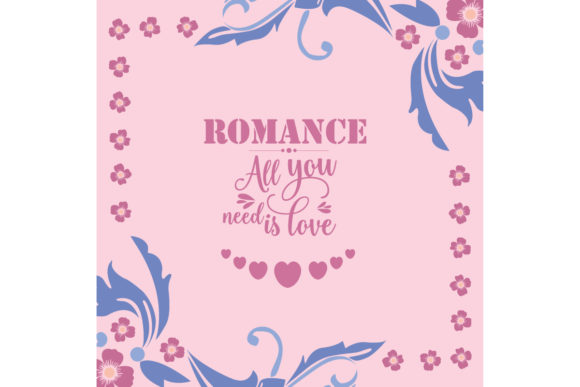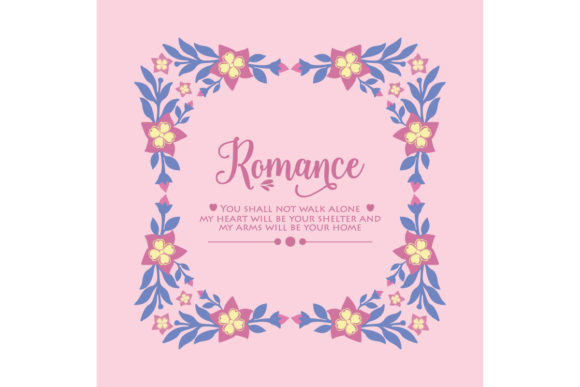
Romance Greeting Card Decoration: Elegant Floral Frames
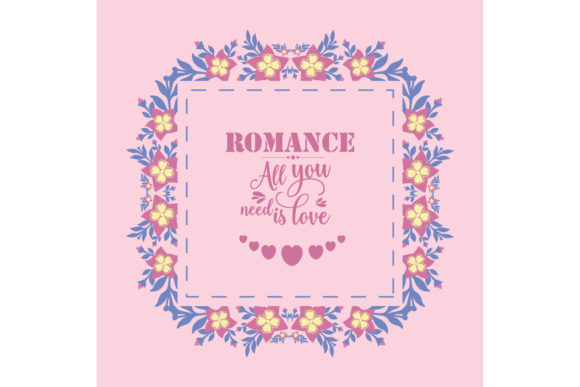
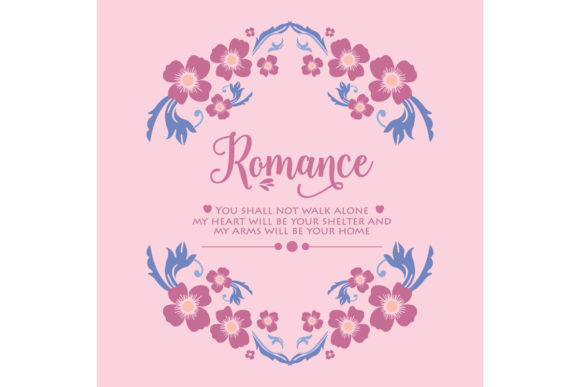
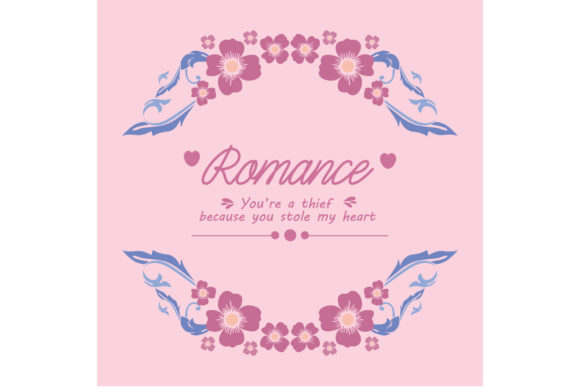
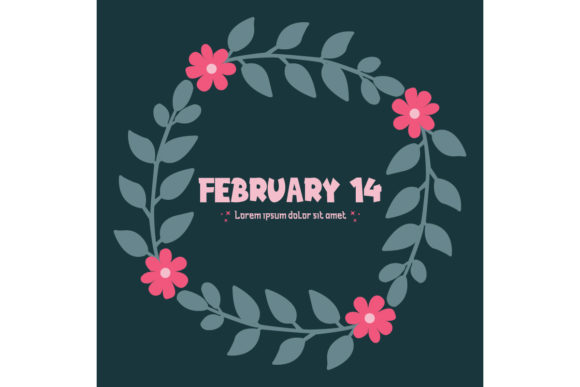
Elevating a simple message into a cherished keepsake often comes down to the visual presentation. Romance greeting card decoration serves as the silent ambassador of your sentiment, setting the emotional tone before a single word is read. When utilizing an elegant pattern of leaf and floral frame in vector illustration, you are not merely adding ornamentation; you are constructing a structured space for intimacy. This specific aesthetic bridges the gap between classic Victorian sentimentality and modern minimalist design, offering a versatile foundation for creators, marketers, and hobbyists alike.
The utility of vector-based floral frames lies in their infinite scalability and editability. Unlike raster images that degrade when resized, vector illustrations maintain crisp edges whether printed on a petite 4x6 note or a large-format wedding invitation. For designers and small business owners, this technical advantage translates directly to workflow efficiency. A single master file can be adapted across an entire product line, ensuring brand consistency while allowing for rapid customization. The organic curves of leaves and petals provide a natural contrast to the rigid geometry of digital layouts, softening the overall composition and making the content feel more human and approachable.
Design Principles for Botanical Framing
Creating effective romance greeting card decoration requires more than placing clip art around a border. It demands an understanding of visual hierarchy and negative space. The frame should guide the eye toward the center without competing with the typography. When working with leaf and floral motifs, consider the weight of the lines. Delicate, hairline strokes suggest vulnerability and tenderness, ideal for anniversaries or apologies. Bolder, more saturated botanical elements convey passion and celebration, fitting for engagements or Valentine’s Day.
Color psychology plays a pivotal role in how these decorations are perceived. While red and pink are traditional, exploring alternative palettes can differentiate your work in a saturated market. Sage greens paired with dusty blues evoke a sense of calm and enduring love, appealing to a mature demographic. Terracotta and burnt orange offer warmth and earthiness, suitable for autumn weddings or rustic themes. Because vector illustrations allow for instant color swapping, you can test multiple emotional resonances within minutes, ensuring the decoration aligns perfectly with the intended message.
- Balance Asymmetry: Avoid perfectly mirrored frames which can look static. Offset heavier floral clusters on one corner with trailing vines on the opposite side to create dynamic movement.
- Respect White Space: Ensure the inner margin is generous enough for handwriting. Crowded decoration makes the card feel cluttered and reduces usability.
- Typography Pairing: Match the stroke width of your font to the line weight of the illustration. Serif fonts pair well with detailed engravings, while scripts complement flowing organic lines.
- Layering Depth: Use opacity and blending modes to tuck text behind subtle background foliage, creating a professional, integrated look rather than a sticker-on-paper effect.
Applications Across Creative Disciplines
The versatility of elegant leaf and floral frames extends far beyond personal stationery. For entrepreneurs and publishers, these assets form the backbone of cohesive branding. A romance novel cover featuring a bespoke vector frame signals genre expectations instantly to potential readers. Similarly, wedding planners can use consistent botanical motifs across save-the-dates, menus, and seating charts to create an immersive event experience. The key is adaptation; the same core illustration can be cropped, recolored, or simplified to suit different touchpoints while maintaining thematic unity.
Educators and workshop leaders teaching art therapy or creative writing can use these frames as prompts. The structure of a frame provides a safe container for expression, helping participants overcome the intimidation of a blank page. In digital marketing, bloggers and social media managers can overlay these vector patterns onto quote graphics or promotional banners. The organic nature of the decoration increases engagement by breaking up the grid-like rigidity of social feeds, stopping the scroll through visual softness. For freelancers offering design services, having a library of high-quality, customizable romantic frames allows for faster turnaround times on client projects without sacrificing originality.
Technical Considerations for Print and Digital
To ensure your romance greeting card decoration translates effectively from screen to substrate, technical precision is non-negotiable. When preparing vector files for print, always convert text to outlines and verify color profiles. Screen RGB colors often appear duller when converted to CMYK for printing, so designing in the correct color space from the start prevents disappointment. Pay attention to bleed areas; extend your floral elements at least 3mm beyond the trim line to avoid unprinted white edges after cutting.
For digital applications, optimization is equally important. Complex vector paths with thousands of anchor points can slow down web loading times or cause rendering issues in certain apps. Simplify your curves and merge overlapping shapes where possible. Exporting as SVG preserves scalability for responsive web design, while PNG with transparency offers compatibility across social platforms. Understanding these format distinctions ensures your elegant patterns remain sharp and functional regardless of where they are viewed.
Cultivating Originality in Romantic Design
In a niche defined by tradition, avoiding cliché is a constant challenge. To keep your romance greeting card decoration fresh, look outside the genre for inspiration. Study architectural ironwork, textile weaving, or ceramic glazing for unique interpretations of floral forms. Incorporating unexpected elements—like geometric accents or watercolor textures blended with clean vectors—can modernize the aesthetic. Originality also stems from cultural specificity; researching botanical symbolism from different traditions can add layers of meaning that generic rose-and-heart motifs lack.
Consistency does not mean repetition. Develop a signature style by establishing rules for your illustrations. Perhaps you always use a specific brush texture, or you consistently leave the bottom right corner open for signatures. These subtle recurring details build recognition over time. For those selling digital assets, providing comprehensive documentation on how to modify and combine elements adds immense value. Teach your users how to scale individual flowers, adjust spacing, or swap colors. Empowering others to adapt your work responsibly expands its reach and utility.
Ultimately, successful romance greeting card decoration serves the message, not the ego of the designer. Every curve, color choice, and compositional decision should enhance readability and emotional impact. Test your designs with real users; ask if the frame feels supportive or distracting. Gather feedback on whether the style matches the occasion. This iterative process grounds your creativity in practical reality, ensuring your elegant leaf and floral frames remain relevant tools for connection. By balancing artistic expression with functional design principles, you create assets that resonate deeply with audiences seeking to articulate love in all its nuanced forms.
Whether you are designing for a global publishing house or crafting a single anniversary card for a partner, the principles remain the same. Clarity, intention, and respect for the medium define quality. Vector illustrations of botanical frames offer a unique intersection of precision and poetry, allowing for exact replication of organic beauty. Embrace the technical capabilities of the format, but never lose sight of the human hand that guides it. In doing so, your work transcends mere decoration and becomes a meaningful vessel for the timeless human need to express affection.