Botanical Double Flowered Pelargonium: Integrating Vintage Illustrations into Modern Design
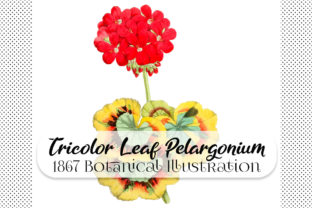
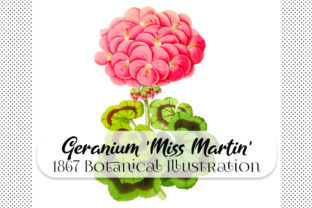
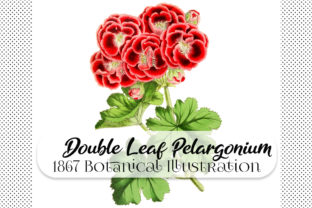
The resurgence of botanical art in contemporary digital design is not merely a nostalgic trend; it is a strategic response to an increasingly sterile visual landscape. Among the most captivating subjects in this revival is the Botanical Double Flowered Pelargonium, a specimen that bridges the gap between Victorian horticultural precision and modern aesthetic sensibilities. When creators utilize assets derived from historical sources, such as an 1867 botanical floral book, they are tapping into a rich vein of authenticity that stock photography often fails to provide. This specific illustration, featuring the intricate layering of double-flowered petals, offers more than just decoration. It provides a tangible connection to the past, reimagined through modern processing techniques to serve today’s diverse creative needs.
For professionals ranging from brand strategists to independent educators, the choice of visual assets communicates values before a single word is read. The Botanical Double Flowered Pelargonium represents complexity, natural beauty, and historical continuity. Unlike generic vector flowers or AI-generated flora which can sometimes lack biological accuracy or soul, illustrations from 19th-century lithographs possess a distinct character. The imperfections found in these reproduced plates—the slight grain of the paper, the subtle variations in ink density, and the hand-drawn quality of the stamens—are not flaws to be corrected. They are features that add vintage character and establish immediate trust with an audience fatigued by hyper-polished, synthetic imagery.
The Evolution of Botanical Assets in Digital Workflows
Historically, accessing high-quality botanical illustrations required physical archives, expensive licensing, or hours of scanning and restoration work. The workflow for integrating classical art into modern projects has evolved significantly. Today’s creators demand assets that respect their time without sacrificing quality. This is where the practical value of pre-processed historical illustrations becomes apparent. The Botanical Double Flowered Pelargonium asset discussed here exemplifies this shift in user expectations. It is not simply a scan of an old page; it is a curated digital tool.
Modern design workflows prioritize flexibility and speed. By offering this illustration as a cutout with a transparent background, the barrier to entry for using vintage art is removed. Designers no longer need to master complex masking tools in Photoshop to isolate a flower from a yellowed page. The image is ready to be dropped directly into whatever creative project is at hand, whether that is a Canva social media template, a Figma website mockup, or a Procreate digital painting. This readiness aligns with the agile nature of current content creation, where the ability to iterate quickly is as important as the final aesthetic output.
Furthermore, the enhancement of colors addresses a common challenge in using antique sources. Original 1867 prints may have faded or been colored with pigments that do not translate vibrantly to backlit screens. By heightening and brightening the colors while retaining the original line work, this illustration satisfies the dual requirement of historical accuracy and digital visibility. It ensures that the Botanical Double Flowered Pelargonium pops against both dark mode interfaces and light, minimalist backgrounds, making it versatile across various platforms and mediums.
Why Format Versatility Matters for Creators
The inclusion of both JPG and PNG formats for this botanical asset reflects a deep understanding of professional requirements. While it may seem like a basic detail, format availability dictates how an asset can be utilized across different stages of production.
- PNG Files: Essential for web design, app interfaces, and video overlays. The transparency allows the double-flowered pelargonium to sit naturally over textured backgrounds, gradients, or photography without the awkward white box associated with standard images. This is critical for maintaining the illusion of depth and organic placement in digital layouts.
- JPG Files: Ideal for print materials, mood boards, and quick previews. The compressed format is universally compatible and easier to manage in document-based software like Word or InDesign. For entrepreneurs creating pitch decks or educators building slide presentations, the JPG version offers immediate plug-and-play utility without bloating file sizes.
This duality supports the hybrid nature of modern creative work. A freelancer might use the PNG for a client’s e-commerce site but the JPG for their own portfolio PDF. Providing both ensures that the Botanical Double Flowered Pelargonium remains a functional part of the toolkit rather than a novelty item restricted to specific software ecosystems.
Authenticity and the Copyright-Free Advantage
In an era of aggressive intellectual property enforcement and algorithmic content flagging, copyright-free assets are a sanctuary for businesses and creators. Using an illustration from an 1867 botanical book places the work firmly in the public domain, eliminating legal ambiguity. For small business owners and marketers operating on lean budgets, this is a significant operational advantage. There are no recurring subscription fees, no attribution requirements that clutter clean designs, and no risk of receiving a cease-and-desist letter years after publication.
Beyond the legal safety, there is a marketing imperative to authenticity. Consumers are becoming adept at identifying mass-produced, soulless branding. The Botanical Double Flowered Pelargonium carries the weight of its history. When a wellness brand uses this image, they are borrowing the authority of 19th-century scientific inquiry. When a wedding stationer uses it, they are invoking the romance of the Victorian language of flowers. This semantic richness adds layers of meaning to commercial projects that cannot be replicated by trending filters or generic clip art.
The "imperfections" mentioned in the asset description serve as a certificate of authenticity. In a market saturated with AI-generated images that often struggle with botanical correctness—producing impossible petal counts or nonsensical stem structures—a genuine 1867 plate stands out because it is biologically real. The artist who originally drew this pelargonium understood plant anatomy. That underlying truth resonates subconsciously with viewers, fostering a sense of quality and care in the associated brand or product.
Practical Applications Across Industries
The versatility of the Botanical Double Flowered Pelargonium extends far beyond traditional floral design. Its vibrant, heightened coloration and detailed form make it suitable for a wide array of contemporary applications.
- Sustainable Packaging Design: As brands move toward eco-friendly messaging, vintage botanicals signal a commitment to nature and slow living. The cutout format allows packaging designers to wrap the pelargonium around boxes or bottles dynamically, creating custom patterns that feel bespoke rather than stamped-on.
- Digital Content Creation: Bloggers and social media managers can use the brightened illustration as a consistent visual anchor. Because the colors are enhanced, they perform well in thumbnails and feeds where contrast drives engagement. The vintage style also helps differentiate personal brands from the corporate minimalism that dominates many niches.
- Educational Materials: For educators teaching biology, history, or art, this asset serves as a primary source visualization. The double-flowered variety specifically offers opportunities to discuss cultivation, genetic variation, and the history of horticulture. Having a clean, isolated image makes it easier to annotate and integrate into worksheets or interactive learning modules.
- Textile and Surface Pattern Design: Freelancers designing for print-on-demand services can use the PNG to create seamless repeats. The intricate details of the double flowers provide enough visual interest to stand alone as a hero motif or combine with other vintage elements for complex chintz-style patterns.
Navigating Vintage Aesthetics in Modern Contexts
While the appeal of the Botanical Double Flowered Pelargonium is evident, successful integration requires thoughtful application. The heightened colors bridge the gap to modern tastes, but designers must still consider context. The key is to treat the illustration as a collaborator in the design process rather than mere filler. Pairing this vintage element with contemporary typography creates a tension that is visually engaging. A bold, sans-serif headline juxtaposed against the delicate, organic lines of the 1867 pelargonium signals a brand that respects tradition while embracing innovation.
It is also important to leverage the specific characteristics of the double-flowered variety. Unlike single blooms, double pelargoniums have a dense, ruffled texture that reads well even at smaller scales. This makes them particularly useful for UI elements, icons, or watermarks where detail might otherwise be lost. The density of the flower provides visual weight, allowing it to balance text-heavy layouts effectively.
Ultimately, the relevance of this Botanical Double Flowered Pelargonium lies in its ability to solve modern problems with historical solutions. It offers a respite from digital perfectionism while meeting the technical demands of high-resolution screens and rapid production cycles. Whether you are a marketer seeking to humanize a tech product, a crafter looking for unique printable art, or a designer tired of repetitive stock libraries, this illustration provides a foundation for work that feels both timeless and timely. By utilizing assets that honor their origins while adapting to current formats, creators can build visual identities that are resilient, distinctive, and deeply resonant with today’s audiences.