Reviving Victorian Charm: Using 1867 Botanical Gloxinias in Modern Design
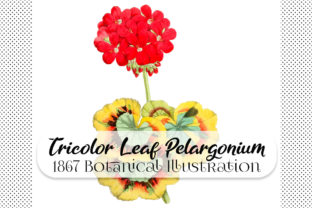
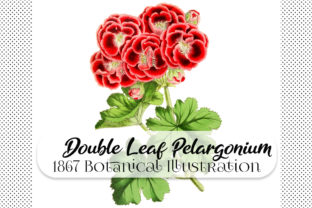
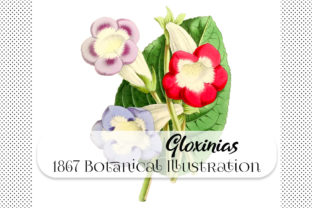
There is a distinct warmth to botanical illustrations from the mid-19th century that digital art often struggles to replicate. When you examine a colorful copyright-free gloxinias flower illustration sourced from an 1867 floral book, you are not just looking at a picture of a plant; you are viewing a piece of horticultural history preserved through lithography and hand-coloring. These images possess a texture and depth that speak to an era when scientific accuracy and artistic beauty were inseparable pursuits. For modern designers, crafters, and content creators, these vintage plates offer more than mere decoration. They provide a tangible link to the past that can elevate contemporary projects with authenticity and character.
The specific appeal of Botanical Gloxinias lies in their dramatic presentation. Known scientifically as Sinningia speciosa, these tuberous plants were the darlings of Victorian parlors and greenhouses. Their velvety, bell-shaped blooms and lush foliage made them ideal subjects for the detailed plate work found in antique flora compendiums. Unlike modern stock photography which often presents flowers in sterile, perfect isolation, these 1867 reproductions carry the gentle imperfections of age. The slight grain of the paper, the subtle variations in ink density, and the soft edges of the hand-painted colors add a vintage character that feels lived-in and genuine. Rather than detracting from the image, these nuances confirm its provenance and add a layer of visual interest that flat vector graphics simply cannot achieve.
The Practical Advantage of Ready-to-Use Vintage Assets
One of the most significant barriers to using antique botanical art has traditionally been the cleanup process. Scanning a public domain book is only the first step; removing yellowed backgrounds, correcting color fade, and isolating the subject can take hours of meticulous Photoshop work. This is where curated, pre-processed assets change the workflow entirely. When you utilize a resource where the colors have been intentionally heightened and brightened, and the image is already cut out, you bridge the gap between historical aesthetic and modern efficiency.
Having both JPG and PNG formats included is essential for versatile application. The PNG file, with its transparent background, allows for seamless integration into complex layouts. You can drop a vibrant gloxinia behind modern typography, overlay it onto product packaging, or weave it into a digital scrapbook page without fighting against a white box. The JPG version serves equally well for standalone prints or backgrounds where transparency isn't required. This duality ensures that whether you are designing a wedding invitation suite or creating social media content for a gardening blog, the asset adapts to your technical needs rather than forcing you to adapt to it.
Color Correction and Historical Accuracy
It is worth noting why color enhancement matters so much for Botanical Gloxinias. Over 150 years, organic pigments and printing inks tend to oxidize, shifting vibrant crimsons and purples toward muddy browns or dull yellows. While some purists prefer the unaltered aged look, most commercial and creative applications benefit from restoration. Brightening these images does not mean making them look neon or artificial; it means recovering the original intent of the 1867 illustrator. The goal is to present the gloxinia as it would have appeared when the book was fresh off the press, yet optimized for backlit screens and high-resolution printing. This careful balance preserves the vintage soul while ensuring the image holds its own against crisp, modern design elements.
Applications Across Creative Industries
The versatility of these copyright-free illustrations extends far beyond nostalgia projects. Because they are free from licensing restrictions, they can be used commercially, making them invaluable for small businesses and independent artists who need high-quality visuals without the recurring cost of stock subscriptions.
- Packaging and Label Design: Artisanal brands, particularly those in skincare, tea, candles, and stationery, rely heavily on botanical imagery to convey natural ingredients and heritage quality. A cut-out gloxinia on a jar label instantly communicates luxury and tradition.
- Textile and Surface Pattern Design: The intricate details of the 1867 plates translate beautifully into repeating patterns for fabric, wallpaper, or wrapping paper. The organic irregularities prevent the pattern from looking too mechanical or computer-generated.
- Digital Content and Blogging: Garden writers and history enthusiasts can use these illustrations to break up text and provide accurate visual references for heirloom varieties that may no longer be common in nurseries today.
- Educational Materials: Homeschoolers and biology teachers can use these public domain images to teach plant anatomy and art history simultaneously, showing students how science was communicated before photography became dominant.
Integrating Imperfection into Clean Design
In an era of minimalist, grid-based web design, the organic chaos of a Victorian botanical plate creates a powerful focal point. Designers often worry that vintage elements will clash with modern UI or clean typography. However, the contrast is exactly what makes the composition work. The fine details of the gloxinia’s stamen and the veining on its leaves provide a level of complexity that anchors simpler design elements. When you place a brightened, cut-out 1867 illustration next to a sans-serif font and ample whitespace, the flower becomes a jewel-like accent. The imperfections in the fine details serve as a textural counterpoint to the smoothness of digital interfaces, preventing the design from feeling cold or impersonal.
Understanding the Subject: Why Gloxinias?
Choosing Botanical Gloxinias specifically, rather than generic roses or daisies, adds a layer of sophistication to your project. Gloxinias have a unique morphology that distinguishes them in floral design. Their slipper-shaped corollas and often spotted or bicolored petals offer visual rhythm that rounder flowers lack. In the context of an 1867 illustration, artists often paid special attention to the translucency of the petals and the fuzzy texture of the leaves, rendering techniques that showcase the printer's skill.
For creators focusing on cottagecore, dark academia, or Victorian revival aesthetics, this specific flower carries cultural weight. It evokes the language of flowers, where the gloxinia could symbolize pride or love at first sight depending on the context. Even if your audience doesn't know the floriography, the subconscious association with parlor culture and romantic literature remains. Using a historically accurate depiction reinforces this mood more effectively than a modern photograph ever could. The fact that the image is derived from a specific dated source also allows for storytelling in your captions or marketing copy, adding narrative value to the visual asset.
Technical Considerations for Print and Digital
When working with restored antique plates, resolution and color profiles are practical factors to consider. Since these images originate from physical books, their detail is limited by the original printing technology. However, high-quality scans enhanced for modern use typically retain enough fidelity for standard print sizes up to 8x10 inches or full-screen digital displays. For larger format printing, such as posters or banners, the vintage nature of the image actually works in your favor; viewers expect a certain softness and grain from 19th-century art, so pixelation is less jarring than it would be with a low-res modern photo.
Furthermore, because the colors have been brightened for contemporary tastes, it is advisable to check proofs if you are printing professionally. Screen calibration varies, and the heightened saturation intended for RGB displays may shift slightly in CMYK ink. Testing a small swatch ensures that the vibrant purples and reds of the gloxinia maintain their intended impact on paper. The inclusion of both file formats in your asset pack mitigates risk, allowing you to choose the compression and color space best suited for your specific output medium.
The Value of Copyright-Free Heritage Art
Navigating intellectual property can be exhausting for creatives. Utilizing images from an 1867 botanical book places you firmly in the public domain safe zone. This freedom allows for remixing, commercial sale of derivative works, and unrestricted distribution. You can modify the colors further, combine the gloxinia with other elements, or use it as a base for AI training datasets without legal ambiguity. This openness is crucial for fostering creativity and keeping historical art relevant in the digital age.
Ultimately, incorporating a colorful, cut-out gloxinia illustration into your workflow is about more than just filling empty space. It is a deliberate choice to infuse your work with the patience, craftsmanship, and natural beauty of a bygone era. Whether you are preserving the memory of heirloom botany or simply seeking a stunning visual hook for a new product line, these enhanced vintage plates offer a perfect synthesis of history and utility. They remind us that even in our fast-paced digital landscape, there is enduring value in the slow, deliberate observation of nature captured by artists over a century ago.